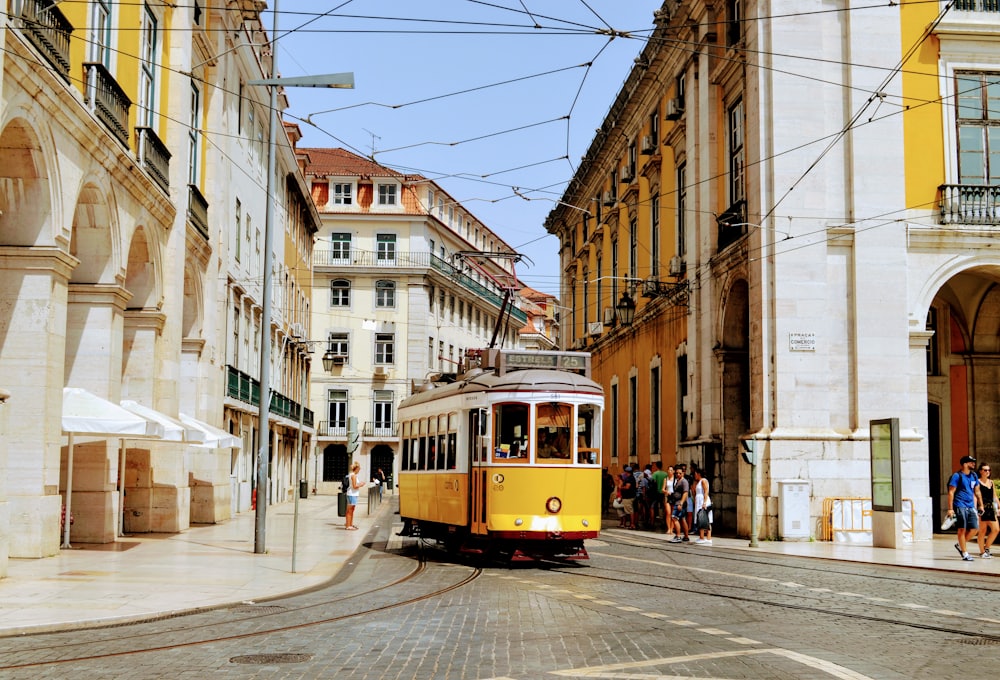
Lisbon is built on hills, and it never lets you forget it. The reward for every climb is a miradouro, one of the open terraces where the whole city spills downhill toward the Tagus in a wash of terracotta and white. For a first visit, the trick is not to fight the geography but to plan around it.
Give yourself at least three full days. Lisbon rewards a slow pace, and trying to sprint between neighborhoods on foot will leave you with sore legs and a blurry memory. Below is the rhythm we recommend, built around the city's natural shape rather than a checklist of sights.
Start in the Baixa, then look up
The Baixa is Lisbon's flat, grid-planned heart, rebuilt after the 1755 earthquake. It is the easiest place to find your feet on day one. Begin at Praca do Comercio, the grand riverside square, then wander north through the pedestrian streets toward Rossio. From here you can already see the castle on its hill and the Alfama tumbling below it, which sets up the rest of your visit.
When your legs are fresh, walk up to the Castelo de Sao Jorge for the wide view. When they are not, take Tram 28 or one of the street elevators. There is no prize for walking every hill.
The reward for every climb is a viewpoint where the whole city spills downhill toward the river.
Spend a morning lost in Alfama
Alfama is the oldest quarter, a maze of lanes too narrow for cars, strung with laundry and the sound of fado drifting from doorways. Do not over-plan it. Pick a direction, follow the lanes downhill when you are tired, and let yourself get a little lost. Stop at a viewpoint, order a coffee, and watch the trams squeal around impossible corners.
Save an afternoon for Belem and the river
West along the water, Belem holds the city's age-of-exploration landmarks and, more importantly, the original pastel de nata. Take the tram or a short rideshare, see the monastery and the riverside tower, and build in time simply to sit by the water. Lisbon is a city that asks you to pause.
Practical notes for a smoother trip
- Wear real shoes. The calcada, Lisbon's mosaic pavement, is beautiful and slick. Leave the smooth-soled shoes at home.
- Buy a rechargeable transit card. A single Viva Viagem card works on trams, metro and the funiculars, and saves you fumbling for change on every ride.
- Go early or late to the famous trams. Tram 28 is magical at 8am and a sweaty crush by noon.
- Base yourself centrally. A room in Baixa, Chiado or the edge of Alfama keeps you within walking distance of most of what you came for.
Three days will not exhaust Lisbon, and that is the point. Leave a few hills unclimbed and a few pastries uneaten, and you will have every reason to come back.